



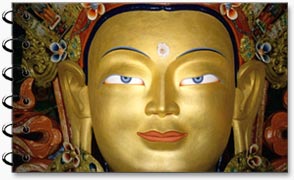
Gautam Buddha laid the foundation of Buddhism. It was
in India where he found enlightenment and India boasts of having
beautiful Buddhist monasteries and stupas. Nalanda, though disappeared
in the 13th century, was once a world center of Buddhism. The various
Buddhist pilgrimages in India attract a huge number of devotees from all
round the world. What better place to visit than the holy Ganges, where
most of the Buddhist pilgrimages are found. The feeling of eternity is
always there and everywhere you turn your eyes you will find nothing,
except rich heritage. In India the famous Buddhist spots are Bodhgaya,
Nalanda, Rajgir, Sarnath, Sanchi stupa, Shravasti and cave temples of
Ajanta and Ellora.
It was in Lumbini where Lord Buddha was born and here you can find the
ruins of the stupa and pillar by emperor Ashoka. Bodhgaya is the place
where Buddha got enlightment under the Bodhi tree which seems to have an
eternal life, sprouting even after being destroyed completely. The
Mahabodhi temple and a monastic order looking after the three
monasteries are things of interest here. Though Sarnath monasteries are
in ruins now, they attract a lot of devotees. Shravasti boasts of
Buddha's miracles and the Mahabodhi temple and a monastic order looking
after the three monasteries are worth visiting. If you want to know
Buddha and his teachings in depth you must visit the Buddhist
pilgrimages in India.

 |
 |
|
|
|
|
|
|
|


