


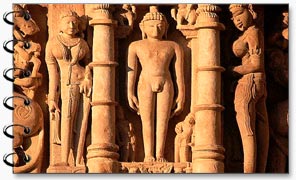
Indian sculptures further add a feather to the
country's rich history, art and culture. The lanes of history stand as a
witness to the fact that the first sculptures in the country date back
to the Indus Valley civilization. These sculptures are amongst the
oldest ones, not only in India, but in the whole world. Magnificent
sculptural beauty can be seen in the temples of Kanchipuram, Madurai,
Rameshwaram and Varanasi.The Sun Temple of Konark and the temples of
Khajhuraho also have beautifully carved with numerous figures of Gods
and Goddesses.
Along with Hinduism, Buddhism and Jainism too flourished in India, the
cave sculptures here serving as a witness of the same. The sculptures at
Ellora were carved out of rock and are one of the best forms of art.
Other prominent sculptures are present in the temples of Mammallapuram,
Sarnath Museum, Amravati and Nagarjunakonda. The latter two also tell
you about the life of Lord Buddha. You must visit the Elephanta Caves,
near Mumbai, which tell you about the mastery of Hindu cave
architecture. Take a sculpture tour package of India and explore the
rich heritage of this incredible land.

 |
 |
|
|
|
|
|
|
|


